Insights

ARTIGO:
Francisco Reis
Executive Manager
JAR - Reinventing Soda: How Next-Generation Functional Sodas Win on Taste, Trust and Everyday Social Use
Why Soda Is Being Reinvented Now
The carbonated soft drink category is not disappearing — it is being redefined. The global soft drinks market is vast (approaching €1 trillion), but growth is increasingly concentrated in segments that answer modern consumer expectations: less sugar, more transparency, and products that feel compatible with everyday wellness rather than in conflict with it.
At the same time, functional drinks have moved from niche to mainstream, reaching roughly €140 billion globally with a higher forecast CAGR than traditional soft drinks. This shift is accelerated by sugar reduction initiatives, rising consumer literacy around metabolic health, and a broader trend toward ‘better-for-you’ indulgence — consumers still want the emotional payoff of a soda, but without the nutritional downside.
What Consumers and Retail Really Want (and Why Many Products Fail)
In category development, it is easy to over-index on functional claims and under-deliver on the product experience. In practice, the market repeatedly confirms a simple hierarchy: taste and texture drive trial-to-repeat conversion.
The JAR research and positioning framework highlights the core requirements that consumers and retail partners consistently prioritize: (1) a flavour profile that satisfies like a real soda, not a compromise; (2) functionality that feels useful and perceptible; (3) an honest label with simple, recognisable ingredients and no questionable claims; (4) a price that makes sense in a cost-of-living context; and (5) omnichannel availability, spanning retail, horeca and direct-to-consumer.
Many functional sodas fail because they break one of these rules: they become too sweet (or too ‘diet’), their functional story is vague or exaggerated, or the sensory profile becomes polarising. The winners are those that deliver a ‘just about right’ balance — indulgent enough to replace soda, clean enough to feel everyday-safe.
Sugar Reduction Is a Formulation Problem, Not a Marketing Claim
No-added-sugar soda is one of the most difficult product briefs in beverages. Sugar is not only sweetness. It contributes to mouthfeel, flavour release, perceived acidity, carbonation perception and the overall ‘roundness’ that people associate with a satisfying soda.
When sugar is removed, common failure modes emerge: thin body, sharp acidity, lingering aftertaste, or a ‘hollow’ mid-palate where flavour collapses quickly. Recreating the sensory architecture of soda requires advanced formulation work — including sweetness modulation systems, acid balancing, flavour layering, controlled carbonation and careful mineral management to avoid harshness.
This is why credible ‘reinvented soda’ brands tend to be built by teams that treat sensory performance as the central KPI. In this category, the best product is not the one with the loudest functional message — it’s the one that tastes like soda and still fits a low-sugar lifestyle.
The Category Tailwinds: Trends Shaping Demand
Several macro-trends reinforce the opportunity for next-generation sodas:
Sugar reduction with natural sweetening approaches (e.g., stevia, monk fruit and next-gen blends).
Clean label and transparency: short ingredient lists, recognisable components and clarity on ingredient origin.
Sustainability and packaging: lighter, recyclable formats and credible environmental messaging.
Real, credible functionality: probiotics/prebiotics, vitamins, adaptogens, improved hydration, light cognitive support — instead of vague wellness statements.
Premium moments: ‘guilt-free dessert’ consumption and sophisticated social occasions, including alcohol replacement (mocktails and social drinks).
Benchmarking: What JAR Learns from the Category Leaders
Benchmark brands help clarify what is working — and what still feels unresolved.
In the US, Poppi and Olipop validated the idea of functional soda positioned around gut health and prebiotic concepts. Their strength is narrative clarity and functional differentiation, but many consumers perceive the taste profile as overly sweet or too far from ‘classic soda’, creating an opening for more natural, Mediterranean-aligned flavour profiles.
In the UK, brands such as Gunna Drinks demonstrate that strong flavour execution and branding can scale ‘low-cal natural sodas’, but functionality may be limited — again opening space for products that combine indulgence with credible benefits.
Kombucha’s expansion proves that consumers will accept ‘health-forward’ sensory profiles, but it also illustrates the risk of polarisation: many people want a middle ground between traditional soda and fermented intensity.
JAR’s Product Concept: Reinventing Soda Without Compromise
JAR is built around a clear mission: reinvent the concept of soda by delivering a refreshing, exceptional-tasting experience while avoiding ingredients perceived as harmful to health.
The formulation strategy is designed to achieve ‘natural sweetness and balance’ without added sugar or artificial sweeteners, using a base of coconut water and an optimized proportion of fruit juice to create an authentic, differentiated sensory profile. Light carbonation reinforces freshness and texture, while functional enrichment with vitamins and minerals complements the nutrients naturally present in coconut water and fruit juice
Importantly, JAR positions itself as an indulgent soda ‘with purpose’ — not as a medicalized functional drink. That design choice matters commercially: it expands the consumption occasions from ‘health moment’ to ‘social moment’.
Brand Meaning and Naming: “Just About Right” as a Product Philosophy
The name JAR comes from ‘Just About Right’ — in Portuguese, ‘No Ponto Certo’. It was selected to be international, easy to pronounce and easy to remember, but it also captures the product philosophy: balance rather than extremism.
In functional beverages, balance is not a vague brand word — it’s a technical requirement. Taste, sweetness, acidity, carbonation and functionality must all sit in a narrow ‘acceptance window’. JAR makes that window the centre of the brand.
Target Consumers and the “Social Drink” Opportunity
JAR deliberately targets multiple overlapping audiences that reflect where beverage consumption is heading:
Primary target: adults 25–45 who want healthier alternatives to traditional soda, already consuming functional waters, kombuchas and premium beverages, and who are sensitive to modern branding and premium packaging.
Health & fitness consumers who train frequently and want electrolytes and vitamins as daily support, often seeking a post-exercise alternative to sugary sports drinks.
Young parents looking for a family-friendly, no-sugar option for the home, with transparency and naturality.
‘Better-for-you’ premium beverage explorers who value novelty, storytelling and experimentation.
Occasional soda consumers trying to reduce sugar without giving up pleasure — the largest ‘conversion’ pool in the category.
This audience design supports JAR’s ambition to become a genuinely social beverage — one that fits the fridge at home, the gym bag, and the table at a social gathering.
What Makes a Next-Generation Soda Scalable
Winning the functional soda market is not only about having a good idea. It requires repeatable, scalable execution across four dimensions:
Sensory repeatability: consistent taste and texture across batches.
Ingredient integrity: stable supply and traceability for key raw materials.
Regulatory discipline: honest, compliant communication — especially around functionality.
Commercial readiness: packaging, shelf life and omnichannel distribution fit.
JAR’s concept is aligned with these requirements because it is designed from the beginning as a beverage that must perform like soda — not merely resemble a supplement in liquid form.
Conclusion: Why JAR Fits the Future of Soda
The future of soda is not ‘less soda’. It is soda re-engineered for modern consumers: no added sugar, clean label, credible functionality and premium, everyday drinkability.
JAR’s positioning — ‘Just About Right’ — is a direct answer to the category’s central challenge: delivering pleasure without compromise. As functional beverages continue to grow faster than traditional soft drinks, brands that win on taste, trust and social relevance will define the next era of carbonation.
Other Insights
30 Sept 2026
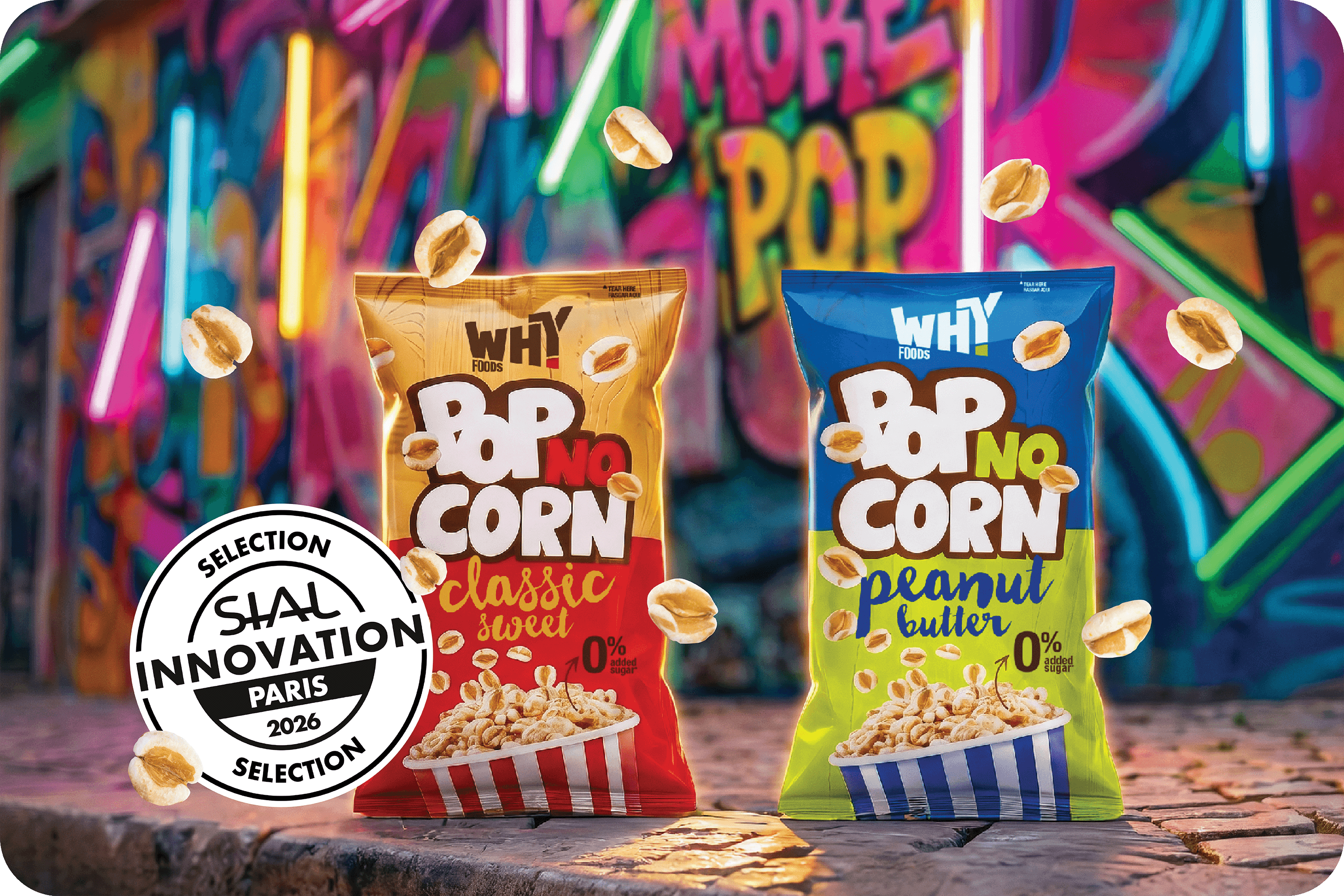
Pop No Corn at SIAL Innovation 2026: Redefining Healthy Functional Snacking
Pop No Corn Classic Sweet made the SIAL Innovation Selection 2026. Discover how Equanto combines taste, prebiotic fibre, and nutrition. Visit our stand!
Margarida Esteves
Nutritionist & R&D Director

26 Jun 2026
Sugar Reduction & Ultra-Processed Foods: Reformulating the Future of Food Without Compromising Taste
A deep analysis of the health impact of added sugar and ultra-processed foods, regulatory pressure, formulation challenges and how forward-looking brands are building credible sugar-free alternatives.
Francisco Reis
Executive Manager
25 May 2026
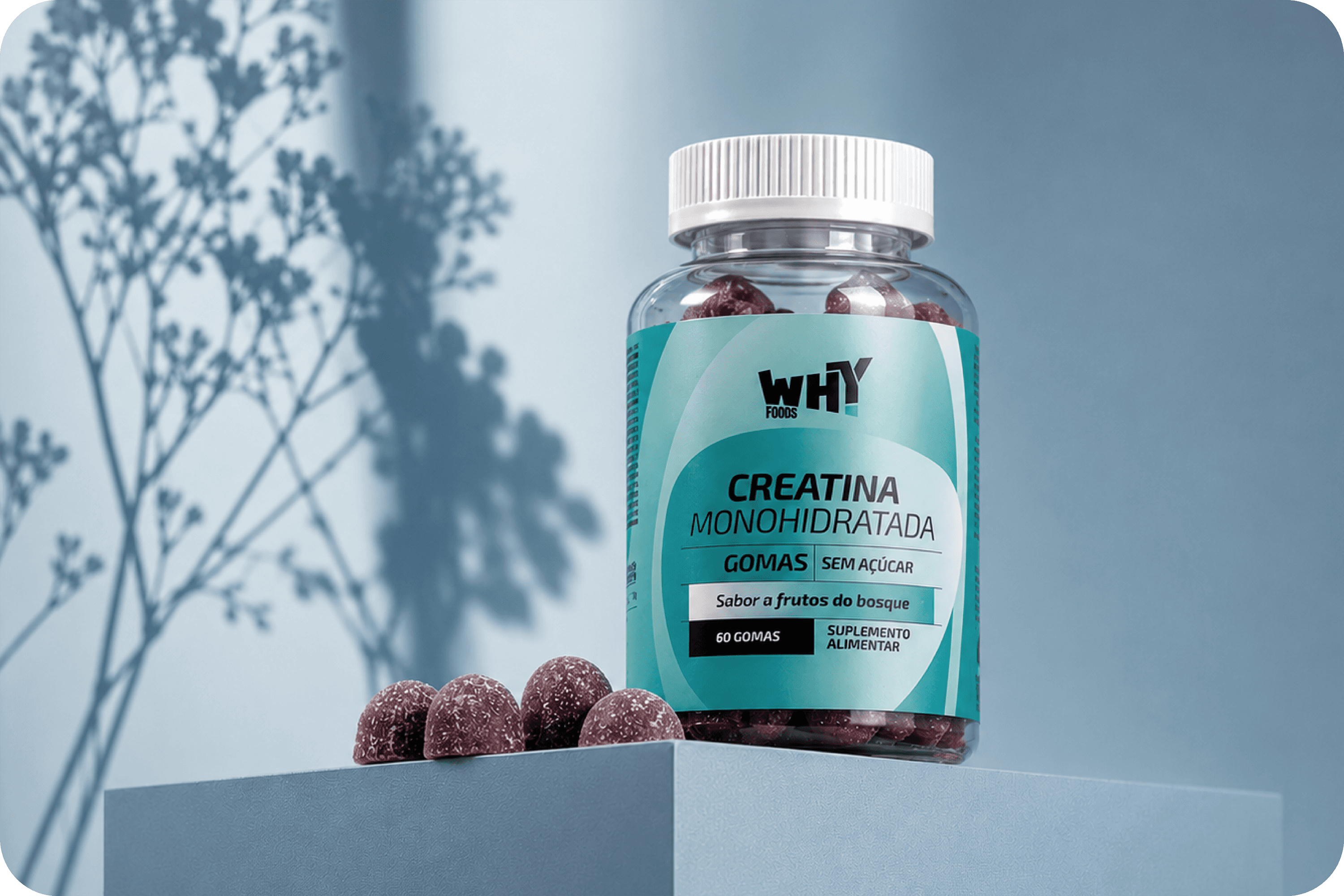
Sugar-Free Gummies and Chewables: Redefining Supplement Consumption Through Experience and Credible Nutrition
An expert analysis of the fast-growing gummy supplements market, sugar-free formulation challenges and the positioning of WHY Foods gummies within this new generation of supplementation.
Margarida Esteves
Nutritionist & R&D Director
20 Apr 2026
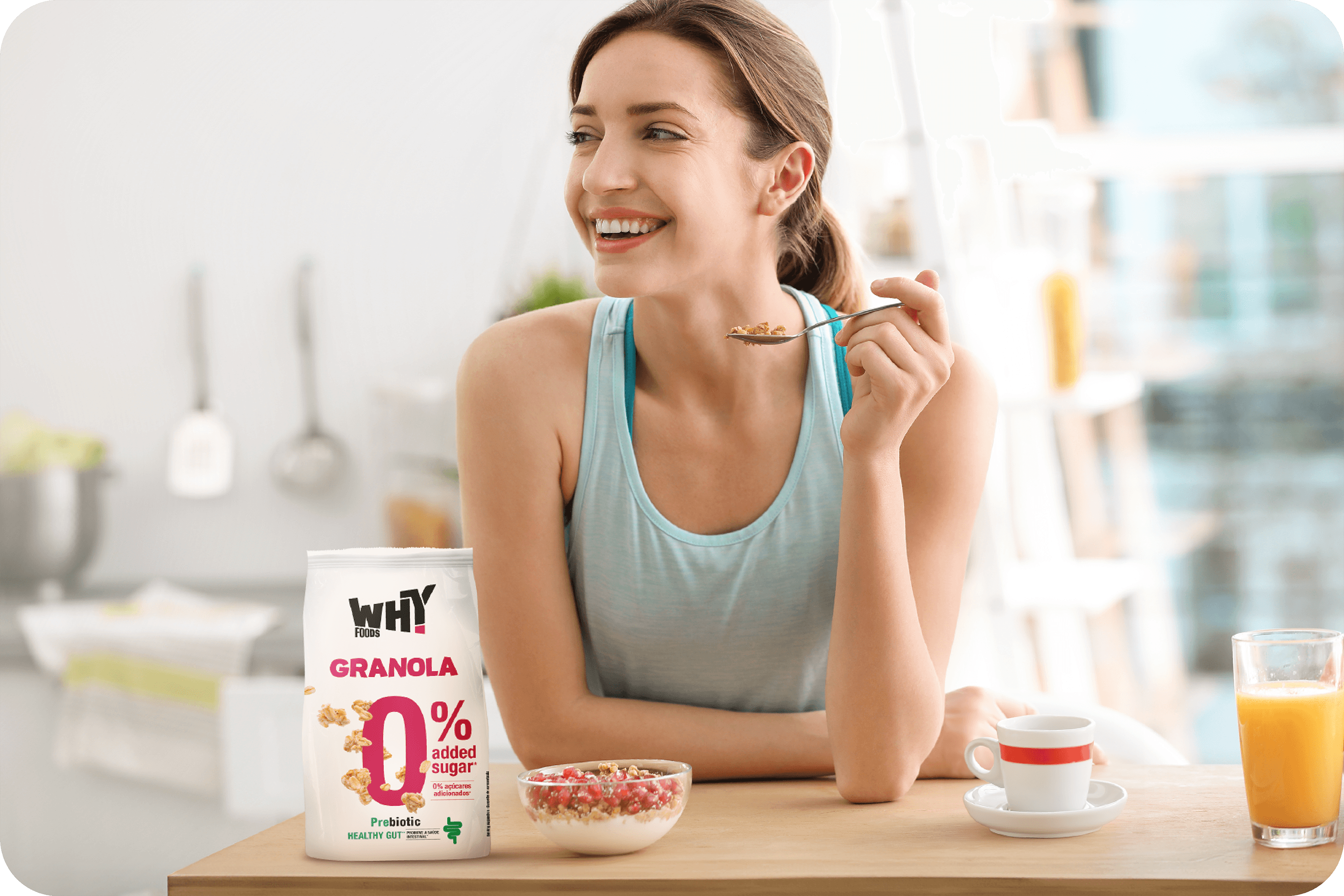
Gut Health & Functional Foods: From Microbiome Science to Everyday Nutrition Solutions
An expert analysis of gut health science, consumer adoption and how functional foods are becoming the most effective delivery system for microbiome support.
Francisco Reis
Executive Manager