Insights

ARTIGO:
Daniel Reis
Executive Manager
Organic Agriculture & Sustainability: From Regenerative Soil Systems to Scalable Certified Production
Organic Agriculture in a Context of Environmental Pressure
Global food systems are under unprecedented pressure. Soil degradation, biodiversity loss, water scarcity and climate volatility are no longer abstract risks but operational realities. According to FAO estimates, a significant proportion of the world’s agricultural soils show moderate to severe degradation, largely driven by intensive monoculture, synthetic fertiliser dependency and pesticide overuse.
In this context, organic agriculture has shifted from niche ideology to strategic alternative. The global organic food market exceeds €120 billion and continues to expand, particularly in Europe where regulatory frameworks and consumer awareness are more mature. Organic production systems are increasingly recognised not only for what they exclude — synthetic pesticides and fertilisers — but for what they actively promote: soil regeneration, biodiversity, crop rotation and ecological balance.
Beyond ‘No Chemicals’: The Agronomic Logic of Organic Systems
Organic agriculture is frequently simplified as the absence of chemical inputs. In reality, it is a systems-based agronomic model. Crop rotation improves soil structure and nutrient cycling; green manures and composting enhance organic matter; natural pest management strengthens ecosystem resilience.
Healthy soils with higher organic matter content demonstrate improved water retention and carbon sequestration capacity. This not only supports crop productivity but also contributes to climate mitigation objectives. In this sense, organic agriculture operates at the intersection of environmental sustainability and long-term food security.
Certification, Traceability and Consumer Trust
One of the defining strengths of organic food lies in its regulatory architecture. European organic certification requires strict compliance across the entire value chain — from primary production to processing, storage and distribution. Traceability systems ensure that raw materials, intermediate products and finished goods maintain integrity at every stage.
For consumers, the organic seal represents one of the most trusted food claims. Studies consistently show that organic labelling is associated with perceptions of safety, environmental responsibility and higher ingredient quality. This trust capital translates directly into brand equity and long-term loyalty.
The Industrial Challenge: Scaling Organic Without Compromise
While primary production receives much attention, the transition from farm to finished product introduces additional complexity. Organic ingredients must be processed in facilities that prevent cross-contamination, maintain segregation protocols and comply with rigorous audit requirements.
Scaling organic production requires robust quality systems, supplier validation, documentation control and process discipline. Industrial operators must align efficiency with integrity, ensuring that productivity gains do not dilute certification standards.
This is particularly relevant as organic moves from specialty stores into mainstream retail, where volume expectations increase and price sensitivity intensifies.
Origens Bio: 19 Years of Organic Commitment
Over nearly two decades, Origens Bio has positioned itself as a reference brand in certified organic food. Its trajectory reflects a long-term commitment to sourcing integrity, sustainable agriculture and transparent value chains.
Rather than treating organic as a marketing attribute, Origens Bio integrates it as a structural principle — from raw material selection to final product formulation. This consistency has allowed the brand to build credibility in a category where authenticity is quickly scrutinised.
Equanto’s Role in Certified Organic Manufacturing
Behind every certified organic brand stands a production infrastructure capable of preserving organic status at scale. As a certified operator, Equanto combines industrial food manufacturing expertise with strict compliance to organic regulations.
This includes controlled segregation of organic and conventional materials, full traceability documentation, audit readiness and adherence to international standards such as IFS alongside organic certification.
By aligning operational excellence with sustainability principles, Equanto enables brands such as Origens Bio to grow without compromising environmental commitments or regulatory integrity.
Organic as a Strategic Business Decision
Organic agriculture is no longer solely a consumer-driven trend; it is increasingly a strategic response to environmental risk, regulatory evolution and supply chain resilience. Retailers and investors are integrating sustainability metrics into procurement decisions, reinforcing the relevance of certified systems.
For food companies, the combination of organic sourcing, certified production and credible brand positioning creates a defensible competitive advantage in a market where transparency and environmental responsibility are becoming baseline expectations.
Conclusion: Sustainability With Operational Depth
The future of food will be shaped by systems capable of reconciling environmental stewardship with industrial efficiency. Organic agriculture provides a scientifically grounded and regulated framework to support that transition.
Through the long-standing positioning of Origens Bio and the certified industrial capabilities of Equanto, organic production moves beyond narrative and becomes operational reality — scalable, audited and aligned with the demands of modern food markets.
Other Insights
30 Sept 2026
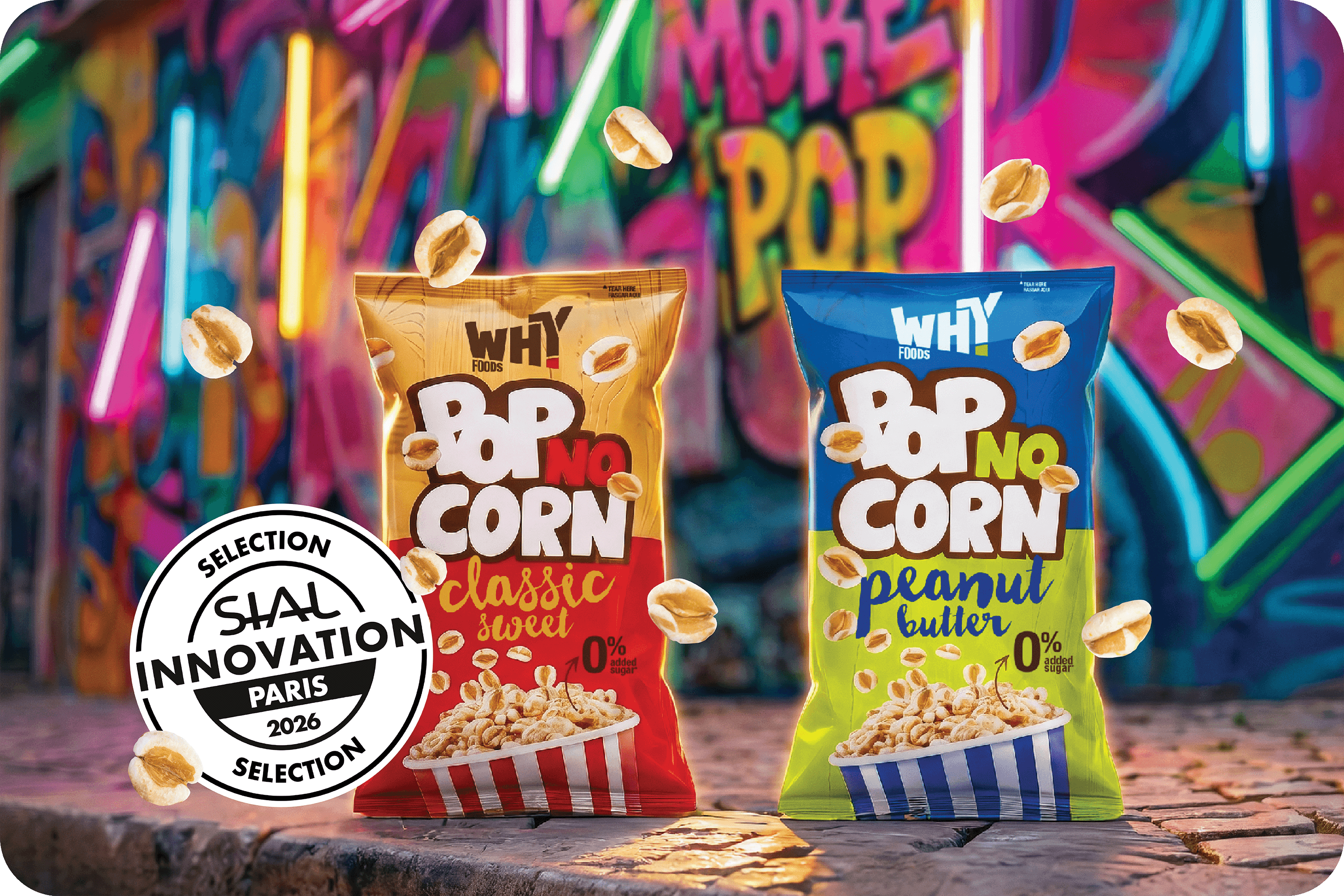
Pop No Corn at SIAL Innovation 2026: Redefining Healthy Functional Snacking
Pop No Corn Classic Sweet made the SIAL Innovation Selection 2026. Discover how Equanto combines taste, prebiotic fibre, and nutrition. Visit our stand!
Margarida Esteves
Nutritionist & R&D Director

26 Jun 2026
Sugar Reduction & Ultra-Processed Foods: Reformulating the Future of Food Without Compromising Taste
A deep analysis of the health impact of added sugar and ultra-processed foods, regulatory pressure, formulation challenges and how forward-looking brands are building credible sugar-free alternatives.
Francisco Reis
Executive Manager

25 May 2026
Sugar-Free Gummies and Chewables: Redefining Supplement Consumption Through Experience and Credible Nutrition
An expert analysis of the fast-growing gummy supplements market, sugar-free formulation challenges and the positioning of WHY Foods gummies within this new generation of supplementation.
Margarida Esteves
Nutritionist & R&D Director

21 Apr 2026
JAR - Reinventing Soda: How Next-Generation Functional Sodas Win on Taste, Trust and Everyday Social Use
A deep dive into the reinvention of soda: market forces, formulation science, sensory design and why JAR is positioned to win as a sugar-free, functional, lifestyle soda.
Francisco Reis
Executive Manager